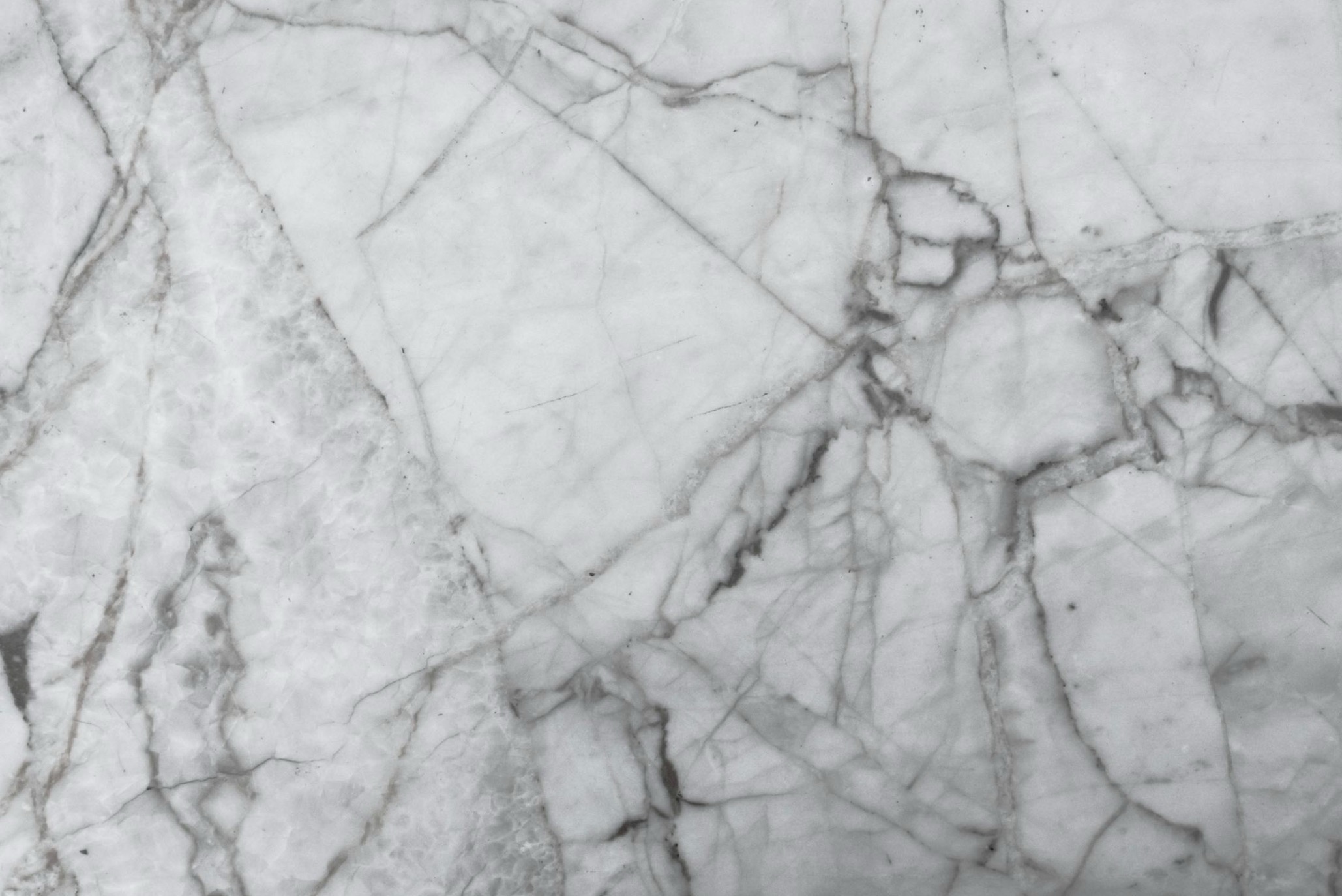
Porcelain slabs are one of the most talked-about surfaces in modern kitchens and bathrooms. Homeowners like the clean look, the wide range of patterns, and the low-maintenance appeal. But porcelain is not the right fit for every project, so it helps to understand where it shines and what to plan for.
Below is a practical guide to porcelain slab countertops and wall applications, including pros, cons, and design ideas that work well in Austin homes.
What porcelain slabs are and where they work
Porcelain slabs are large-format, manufactured surfaces that can be used in multiple areas of the home. They are often selected for:
- Kitchen countertops and waterfall edges
- Full-height backsplashes
- Shower walls and tub surrounds
- Fireplace surrounds and accent walls
Because porcelain can be used on both horizontal and vertical surfaces, it is popular for homeowners who want a cohesive look that continues from countertop to backsplash or from shower wall to niche.
At Emerald Granite Works, we help Austin homeowners choose durable, design-forward stone and porcelain surfaces, including porcelain slab countertops that fit modern kitchens and bathrooms.
Why porcelain is popular in modern Austin homes
Austin homes often blend clean lines with natural textures. Porcelain fits that style because it can mimic marble veining, concrete, limestone, or bold contemporary patterns, while still feeling sleek and minimal.
Porcelain also appeals to homeowners who want a surface that handles everyday life without constant maintenance. In busy kitchens, that combination of looks and practicality is a big reason it is being specified more often.
To browse examples of colors and styles, our porcelain gallery is a helpful visual starting point.
Pros of porcelain slabs
Porcelain has several standout advantages that make it a strong choice for certain homes and layouts.
Heat and UV resistance
Porcelain is commonly chosen for its ability to handle heat better than many resin-based materials. It can also perform well in bright spaces with lots of natural light, where UV exposure is a concern.
Low porosity and stain resistance
Porcelain is typically less porous than many natural stones. For homeowners who cook often or want simple cleanup, that can be a major benefit.
Modern, thin profile look
Porcelain can achieve a crisp, contemporary look, especially for backsplashes and shower walls where large panels reduce visual breaks.
Large-format design flexibility
The large slab format can create a more seamless aesthetic, especially on full-height backsplashes and shower walls.
Cons and installation considerations
Porcelain is not a set-it-and-forget-it material. A few considerations matter before you commit.
Edge durability
Porcelain can chip at edges if impacted, especially on sharp corners. Choosing the right edge profile and planning for how the kitchen will be used helps reduce risk.
Fabrication and handling complexity
Porcelain slabs can be thinner than stone slabs, and the fabrication process requires precision. This is one reason professional templating and careful installation matter.
Pattern alignment still matters
Even though porcelain is manufactured, seam and pattern alignment still matter on multi-piece installs. Bold veining looks best when the layout is planned carefully.
If you want to avoid common regrets during selection, our guide on the biggest mistakes people make when choosing a countertop is a smart read before you commit to any surface.
Porcelain vs quartz vs natural stone
Many homeowners compare porcelain to quartz or natural stone. The best choice usually depends on how you cook, how much maintenance you want, and what style you are after.
- Porcelain vs quartz: Quartz can be very consistent and low maintenance, but porcelain can be a better fit for homeowners prioritizing heat resistance and large-format backsplash looks.
- Porcelain vs granite or quartzite: Natural stones bring depth and one-of-a-kind movement that many homeowners love. Porcelain can replicate those looks with a more uniform finish and typically lower porosity.
- Porcelain vs marble: Marble is timeless and luminous, but it can etch and stain more easily. Porcelain is often chosen by homeowners who want the marble look with simpler daily care.
If you are thinking about what is trending now, our overview of countertop color and pattern trends can help you narrow toward looks that will age well.
Design ideas for kitchens, backsplashes, and showers
Porcelain is often at its best when used intentionally. Here are a few ideas we see homeowners gravitate toward.
Full-height slab backsplash
A porcelain slab backsplash can create a clean, high-end look with fewer grout lines. This works especially well behind ranges and on long walls.
Waterfall island moment
Porcelain can be used as a waterfall edge to make an island feel more architectural, especially with bold veining.
Shower walls with fewer grout lines
Large-format slab walls can reduce grout lines in showers, creating a smoother look and simplifying cleaning.
If you are planning wall tile selections alongside slabs, our article on choosing the perfect tile for kitchens and bathrooms can help you avoid mismatched finishes and maintenance headaches.
Picking the right slab look and finish
A porcelain slab should be chosen the same way you would choose stone: based on how it looks in your lighting and how it pairs with cabinets, floors, and wall finishes.
A few practical tips:
- Consider matte finishes for a softer, less reflective look.
- If you want bold veining, think about how it will align at seams and corners.
- For busy kitchens, prioritize durable edges and avoid sharp corners in tight walkways.
Wrap-up and next step
Porcelain slabs can be an excellent choice for homeowners who want a modern look, fewer grout lines, and straightforward maintenance. The key is matching the material to your lifestyle and planning the layout carefully so the final install looks clean and intentional.