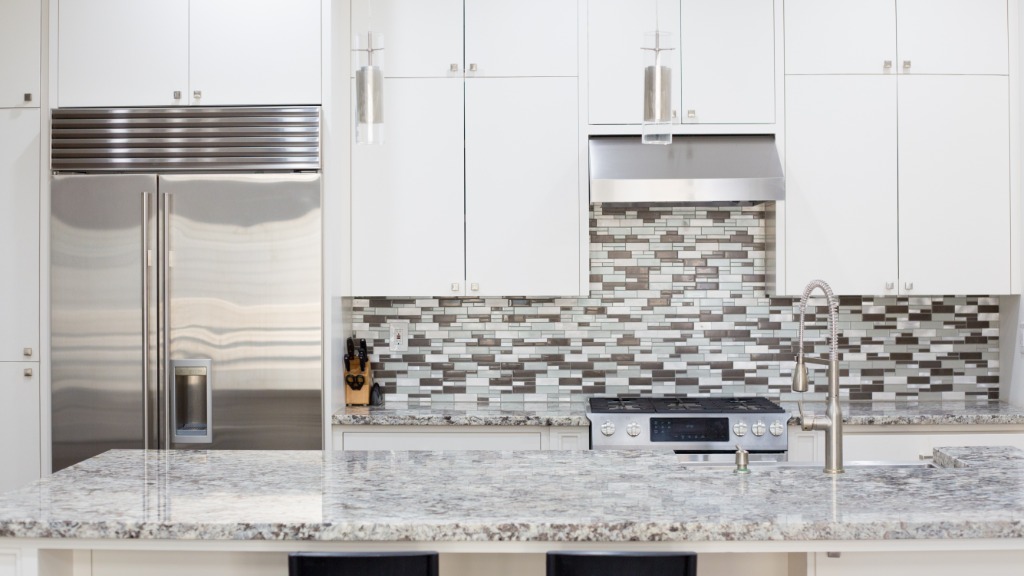
A busy kitchen does not wait for perfect timing. One minute, a pan is coming off the burner; the next, someone is searching for a safe place to set it down. Granite’s heat resistance, compared to other kitchen tops, gives homeowners a clearer sense of what their counters are built to handle. For anyone planning a kitchen upgrade, heat performance is where beauty meets real everyday use.
Defining Heat Resistance in Countertops
Heat resistance refers to how well a countertop holds up when exposed to high temperatures without scorching, cracking, discoloring, or weakening at the surface. It does not mean a counter should be used as a built-in trivet. A surface might tolerate brief contact with warmth yet still react poorly to a very hot pan left in one place.
The bigger issue is thermal shock, which happens when one area of a material changes temperature much faster than the surrounding area. Sudden stress might create a dull finish or damage a seam. For homeowners comparing countertop options, the safest approach is to look at both the material itself and the way it is installed.
What Makes Granite So Strong?
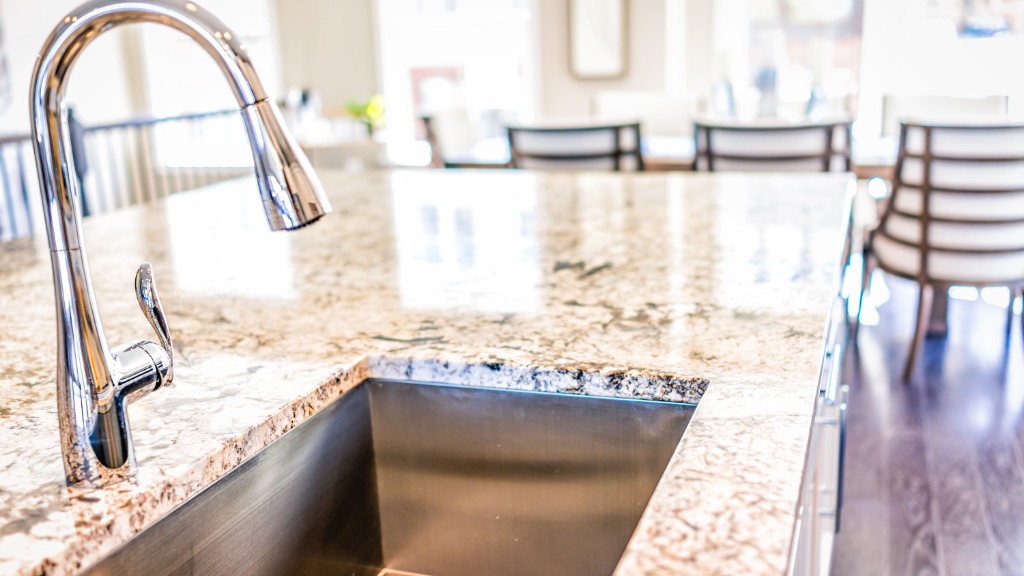
Granite is a natural stone formed under intense heat and pressure, which helps explain why it performs so well in busy kitchens. Its dense mineral structure gives it a level of durability that many manufactured surfaces try to imitate. Because every slab forms naturally, the stone has its own pattern.
For heat resistance, granite’s strength starts with the stone itself. Brief contact with hot cookware is less likely to leave a burn mark on granite than on softer or resin-based surfaces. Still, protection remains wise because sealers and surrounding installation details respond differently from the stone beneath them.
For homeowners planning granite fabrication in Spicewood, TX, a skilled fabricator ensures the slab performs as beautifully as it looks. Proper measuring, cutting, edging, and seam placement support the counter during daily use. Good fabrication does not turn a countertop into an indestructible surface, but it helps natural stone work well in a real kitchen.
Other Types of Countertops and How Their Heat Resistance Compares
No countertop material should be judged by heat resistance alone. Still, heat performance offers a clear way to understand how different surfaces hold up in everyday kitchen use.
Quartz Countertops
Quartz countertops are engineered surfaces made with stone particles and binding resins. The mineral content gives quartz impressive strength, yet the resin portion is more heat-sensitive than natural stone. A hot pan placed directly on quartz might leave discoloration or cause damage that does not polish out easily.
Quartz works well for many kitchens because it offers consistent patterns and a nonporous surface. Heat care is still part of ownership. A trivet is not just a cautious extra with quartz; it is part of keeping the surface looking clean over time.
Marble Countertops
Marble brings a softer, classic look that many homeowners love in kitchens and bathrooms. Its heat resistance is generally better than synthetic surfaces, but marble is more delicate than granite in other ways. The surface is more prone to etching from acidic spills, and a polished finish requires careful care.
Heat alone is not usually the main concern with marble. The issue is that daily cooking exposes the surface to more than warmth. When heat, moisture, and spills meet a softer stone, the counter needs consistent cleaning and protective habits to preserve its appearance.
Butcher Block and Wood Tops
Butcher block and wood tops add warmth that stone surfaces do not naturally provide. Their reaction to heat is very different because wood is organic. Direct contact with hot cookware might leave scorch marks or dried-out patches that change the look of the surface.
Wood counters need regular maintenance to stay attractive in a kitchen. Oil, sanding, and prompt cleanup help keep the surface usable. For someone who cooks heavily, wood works best in areas where it will not sit directly beside the hottest pans and appliances.
Laminate Countertops
Laminate is popular for budget-conscious projects, but it has clear limits when it comes to heat. The top layer is thin, and the core beneath it is not built for direct contact with hot cookware. A single mistake with a hot pan might leave bubbling or a permanent mark.
The main advantage of laminate is accessibility. It offers many looks at a lower price point, which suits certain projects. In a kitchen where hot items move quickly from oven to counter, protective pads need to stay within reach.
Stainless Steel and Concrete Counters
Stainless steel handles heat well, which is why it appears in many professional kitchens. It will not burn like laminate or scorch like wood, but it shows scratches, fingerprints, and dents more readily. Homeowners who like a polished, quiet look sometimes find that daily wear changes the surface faster than expected.
Concrete has a sturdy reputation, yet its heat performance depends heavily on its mix and sealer. The concrete itself is tough, but the surface coating might react to high temperatures. In that sense, the visible finish deserves as much attention as the material underneath.
Practical Tips for Protecting Any Countertop From Heat Damage
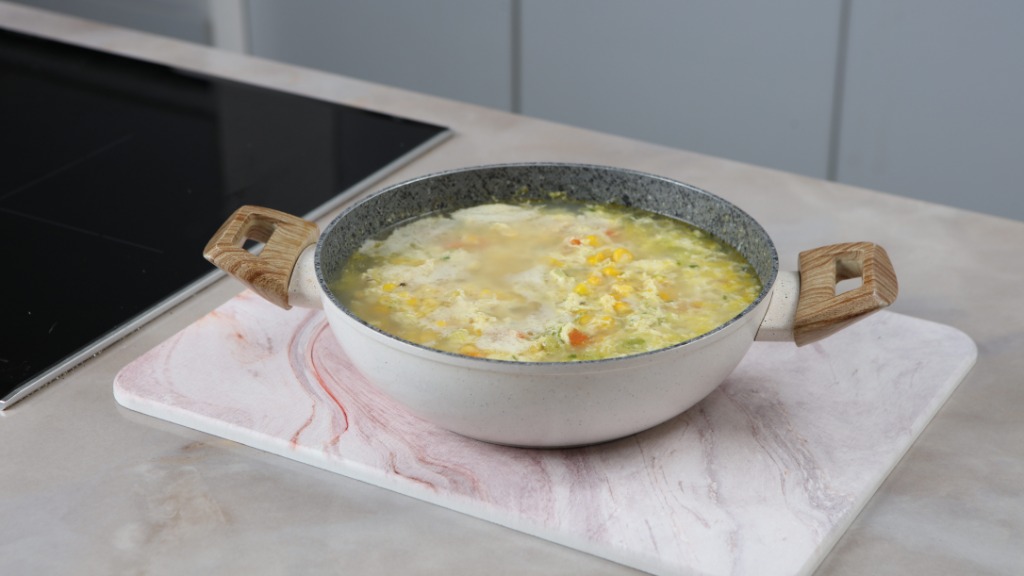
The simplest way to protect a countertop is to avoid treating heat resistance as permission for direct contact. A trivet or thick pad creates a small barrier that prevents concentrated stress in one spot. That habit matters most near ovens and other places where hot cookware lands quickly.
Homeowners should pay attention to seams and edges, too. Those areas are more vulnerable because they involve transitions between materials. Setting a hot pan directly over a seam creates more risk than placing it on an open stretch of stone.
Cleaning habits also support heat protection. Grease and moisture left on the counter might react differently when warmth reaches the surface. A clean countertop is easier to inspect, and small changes in sheen or texture are easier to notice early.
For granite, sealing should follow the fabricator’s guidance and the specific slab’s needs. Sealers help with stain resistance, not heatproofing. Even so, proper care keeps the surface in better condition, which ensures the counter ages with fewer visible problems.
A countertop must hold up in the small moments homeowners rarely think about until they happen. Granite’s heat resistance compared to other kitchen tops gives that choice a practical edge without taking away from the look of the kitchen. Emerald Granite Works turns that kind of everyday confidence into a finished space that feels considered from the surface up. When you’re ready to discuss counters for your space, turn to us for proper expertise.